
There seem to be a lot of statements about lies, covering up facts and so on but apart from de Leyen's hatred of wolves where is the evidence of something untoward going on?
Trained vets and those who have seen the aftermath of wolf attacks would be able to say that an animal killed was killed by a wolf. So, yes, it could be said on the day but DNA testing takes a while to identify a particulare wolf.
What is questionable is that an experienced owner of horses who knew there were wolves in the region would not see to it that her animals were either stabled or that there were anti wolf measures taken. She is no "poor farmer who cannot afford it", Bad animal husbandry.
Using the attack to push her anti-wolf policy is questionable but so is the quality of backbone in EU politicians who let the bill through. Hunters and farmers have money...and votes.
The Observer
Investigation
Sunday 14 June 2026 https://observer.co.uk/news/international/article/ursula-von-der-leyen-wolf-kill-story-german-cull

In September 2022, in Lower Saxony, north-west Germany, a grey wolf attacked and killed Dolly, Ursula von der Leyen’s 30-year-old – and apparently favourite – pony. The president of the European Commission (EC) is a passionate equestrian. Her children had learned to ride on Dolly and, despite the pony’s advanced age, she was kept as a treasured pet.
Thousands of farmers across Europe lose livestock to wolves each year, but this time the dead animal’s owner was a high-profile politician who had it in her power to shape the wolf’s future. “The concentration of wolf packs in some European regions has become a real danger for livestock and potentially also for humans,” said von der Leyen in 2023. In the same year, the EC carried out an “in-depth analysis” into the wolf, publishing a report that ultimately led to the animal’s protected status in Europe being downgraded last summer.
A chain of events that began in a field in Lower Saxony culminated in decisions that have made the wolf more vulnerable than it has been for half a century. Yet now, after extensive research into the circumstances surrounding Dolly’s death, it seems as though the story surrounding the demise of Ursula von der Leyen’s pony may just be too good to be true.
Dolly was last seen alive at 10pm on the evening before the attack, about 100 metres from the von der Leyen family home in the hamlet of Beinhorn on the outskirts of Hanover. At 7am on 1 September, the pony’s body was found in her paddock by Heiko, von der Leyen’s husband. Another pony remained in the field unharmed. The subsequent investigation, carried out that day by the chamber of agriculture and a veterinarian, took DNA swabs and documented the carcass. The report found “external subcutaneous puncture-type wounds at the throat, abdomen and hind leg”.
By that evening, it was being reported that Dolly had been killed by a wolf. “The whole family is horribly distressed by the news,” von der Leyen told the German tabloid Bild in an article that ran with the subheading: “The big bad wolf doesn’t just exist in fairytales!” By 3 September, Dolly’s death at the hands of a wolf was news as far away as Pakistan.
That same day, a spokesperson for the Lower Saxony environment ministry said the bite pattern strongly suggested a wolf attack. Yet it would not be until three months later that the DNA analysis was matched to a wolf, specifically one known as GW950m, the adult male of a local pack.
After Dolly’s death, Politico reported EU diplomats in Brussels describing von der Leyen’s fixation on the wolf issue as “pushy” and “bizarre”. In 2022, a European Council decision had found that “based on current data, lowering the protection status of all wolf populations is not justified from a scientific and conservation point of view”, yet the EC now commissioned a Brussels-based consultancy to carry out an analysis on the wolf’s status in Europe.
Despite not being peer-reviewed, or recommending the wolf’s downgrading, the report formed the basis for proposing its downlisting under the Bern convention and the EU habitats directive. More than 400 scientists signed a letter condemning the move, while the Large Carnivore Initiative for Europe, a conservation group, called it “premature and faulty”. But by the summer of 2025 the changes had been enacted, and with them began a whole new chapter in Europe’s relationship with the wolf.
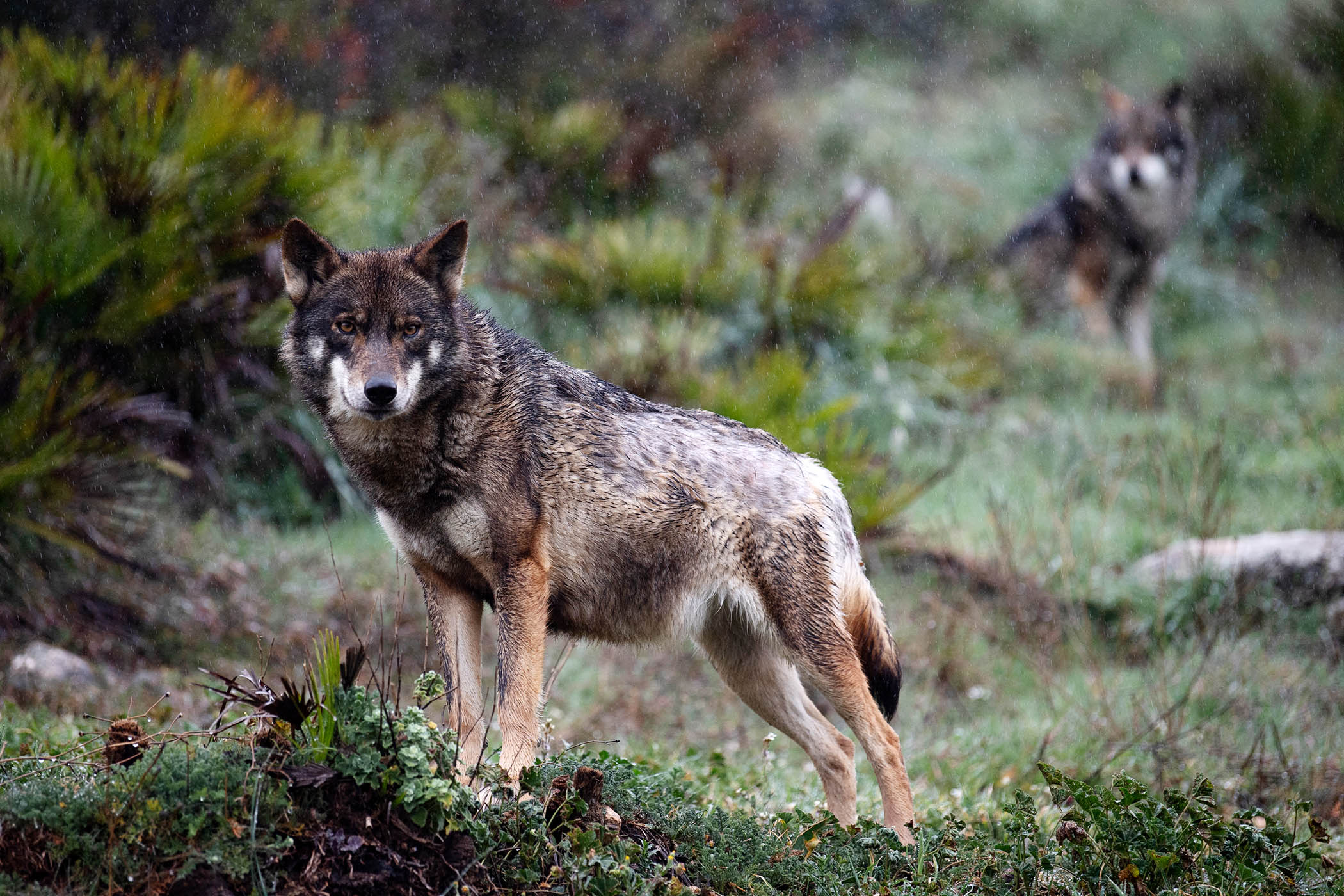
The wolf is undergoing a remarkable resurgence across Europe. Centuries of persecution pushed the species close to extinction in much of the continent, but since the 1960s its numbers have increased by 1,800%. Today there are more than 21,500 in Europe, classifying them as a species of least concern. Their change in fortune, along with those of the bear and the lynx, has been in large part thanks to policies enacted and enforced by the EU – the Bern convention and the habitats directive – that have allowed joined-up conservation measures to be pursued across the continent.
The first resident wolf pack in Germany was documented in Saxony in 2000, and by 2024 there were more than 200 packs across the country. But this conservation success has not been welcomed by many farming communities, already struggling with everything from climate change to inflation, and now being asked to welcome back large carnivores.


No comments:
Post a Comment